Collecting · April 3, 2025
Why Connection Matters: A Conversation with Alex Flick
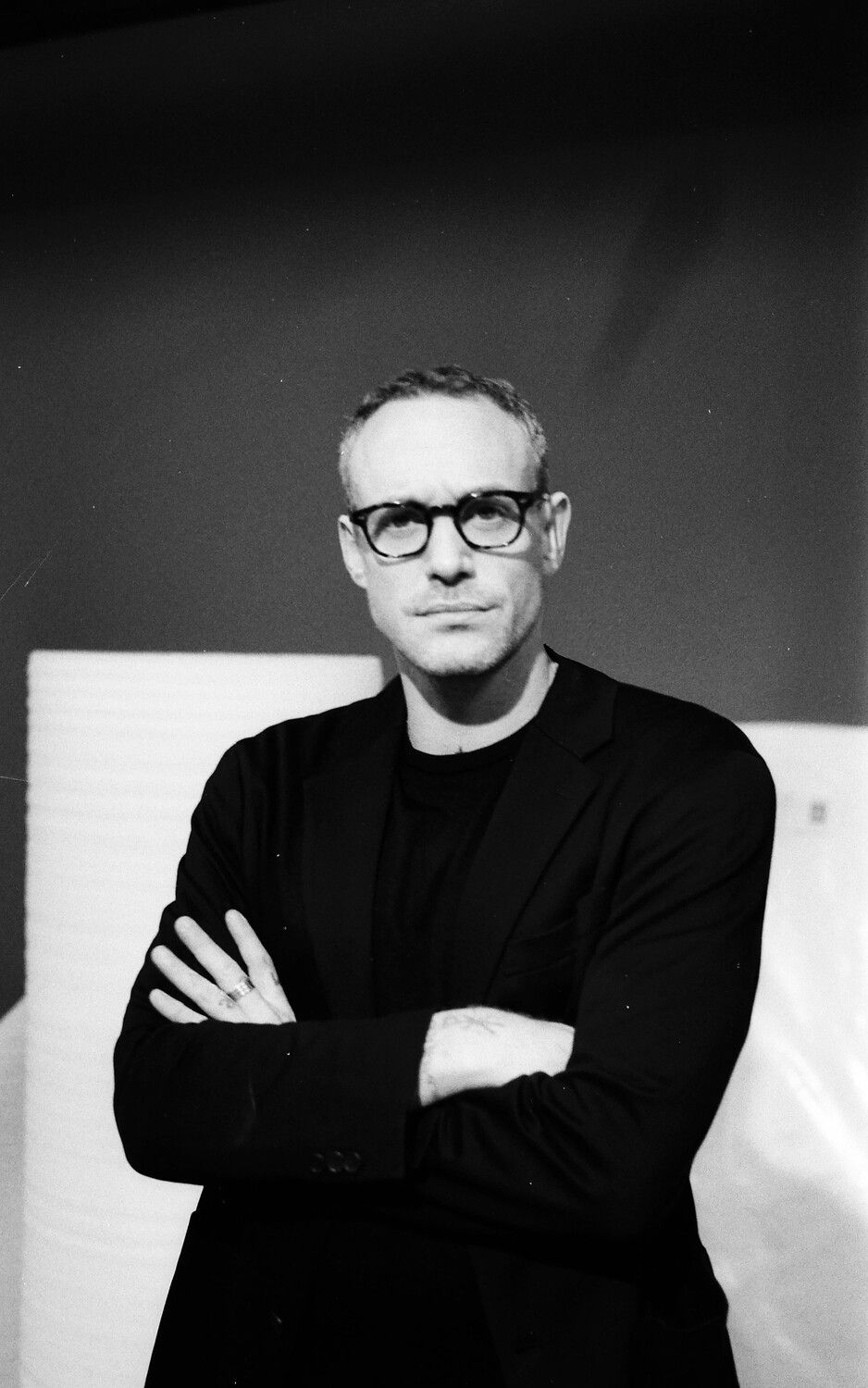
Auf Deutsch lesenAlex Flick is director of Gathering, an international gallery with spaces in London, Ibiza, and now Cologne. The gallery will exhibit at Art Düsseldorf for the first time this year. Flick's boundary-breaking approach to the Art market has been described as a breath of fresh air. Read our exclusive interview below to learn more about Gathering, the importance of strong and organic relationships, and the gallery’s exciting new Cologne space.
Can you describe your gallery’s overall concept and mission?
Art, and by extension the art world, has been a part of my life for as long as I can remember. I ran a project space in East London for a couple of years prior to Covid and have been thinking about scaling it up, relocating, and as pandemic started, it became clear to me that I wanted Gathering to be a place for community-building around art practices, many of which would be experienced predominantly in institutional settings.What role does networking play in finding new artists or curating exhibitions for your gallery?
All the relationships with my artists came about very organically - some I have been following for a while, others have been introduced by friends, but it all boils down to the instinctual connection with the art. Being a gallerist is a deeply personal and sometimes emotional business and overly transactional relationships very rarely stand the test of time.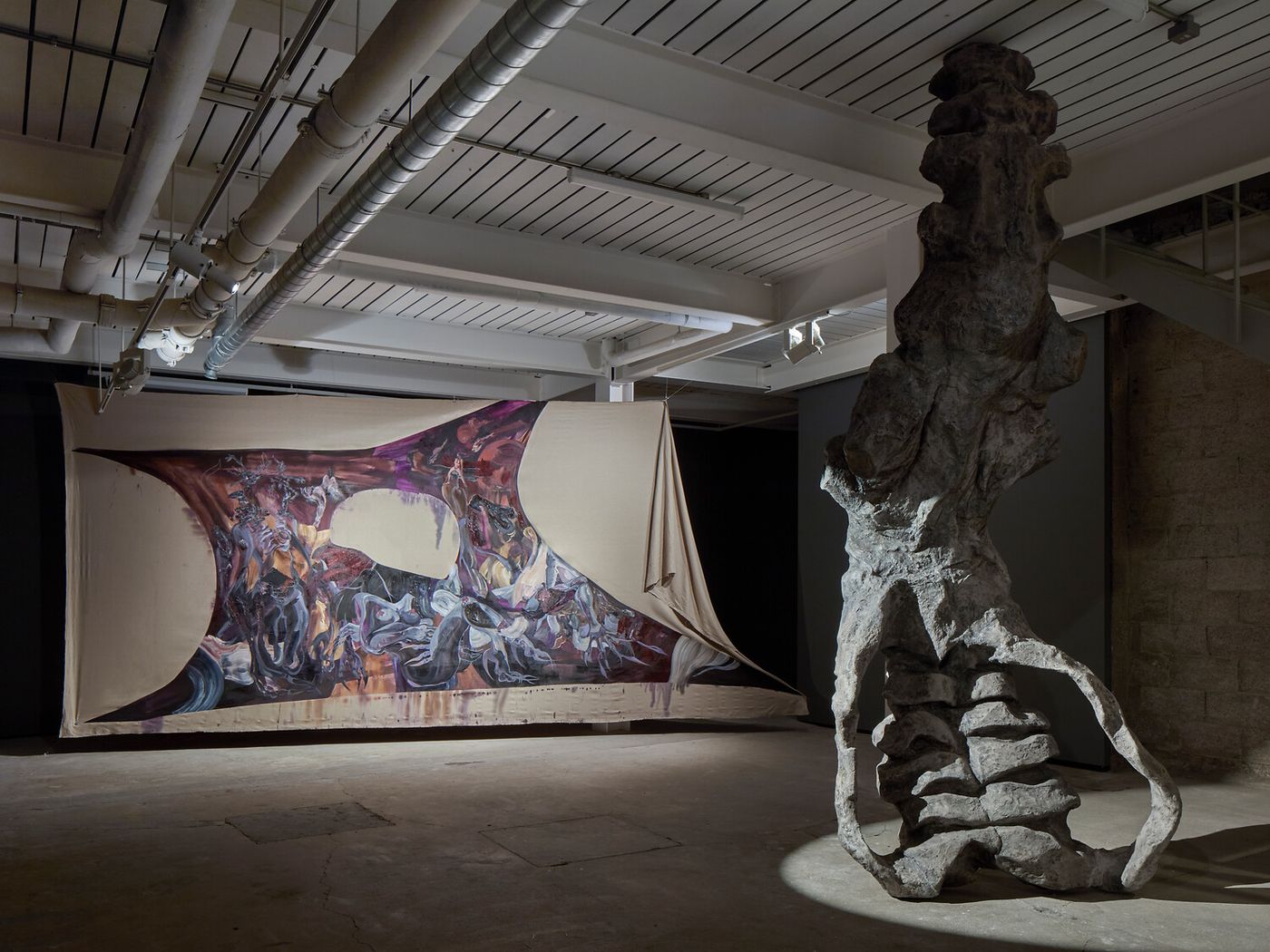
Do you think that the commercial market sometimes overshadows the conceptual value of art? How do you address this in your gallery’s approach?
It is a fine balance between the two and we are witnessing a moment of market correction, which, I hope, will lead to the return to boundary-pushing practices I am dedicated to fore fronting. Art has the unique potential of standing the test of time, with numerous undiscovered or underrepresented artists being appreciated by the commercial market years or decades later.How do you navigate between the conceptual, intellectual side of art and the commercial side of running a gallery?
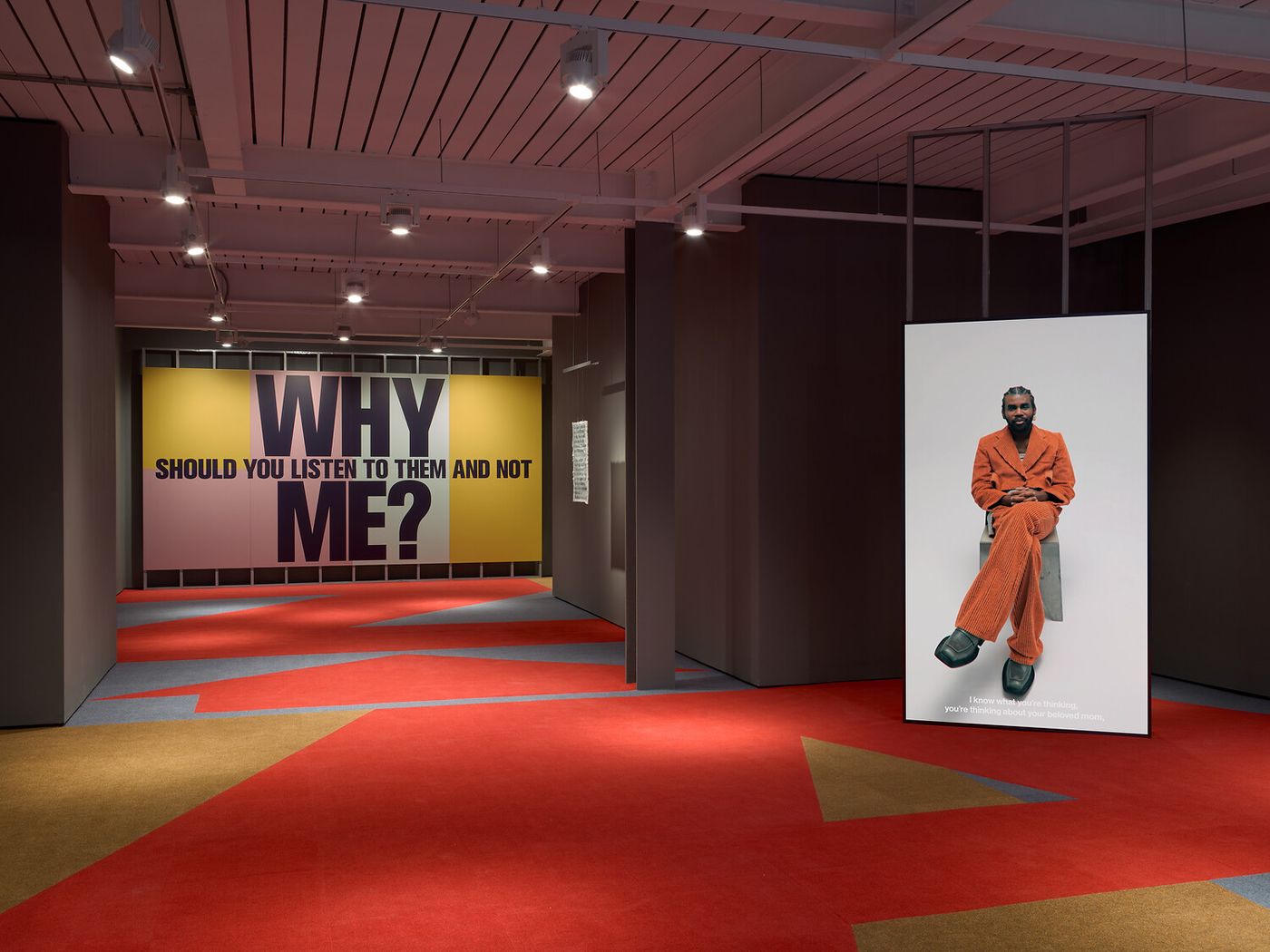
Gathering’s identity is rooted in the support for artist’s who’s practices might not have an immediately commercial appeal. Tai Shani, who won the Turner Prize in 2019, and whose solo exhibition inaugurated Gathering, has not worked with a commercial gallery before but had a vast and dedicated following amongst high-profile curators and collectors. Similarly, the second artist I have showed after opening the gallery, Wynnie Mynerva, while known predominantly as a painter, also works across installation and performance art and their paintings tend to push boundaries of a traditional, two-dimensional display. That is to say, the artist’s practice needs to maintain an intellectual, conceptual rigour in order to remain relevant and commercially successful.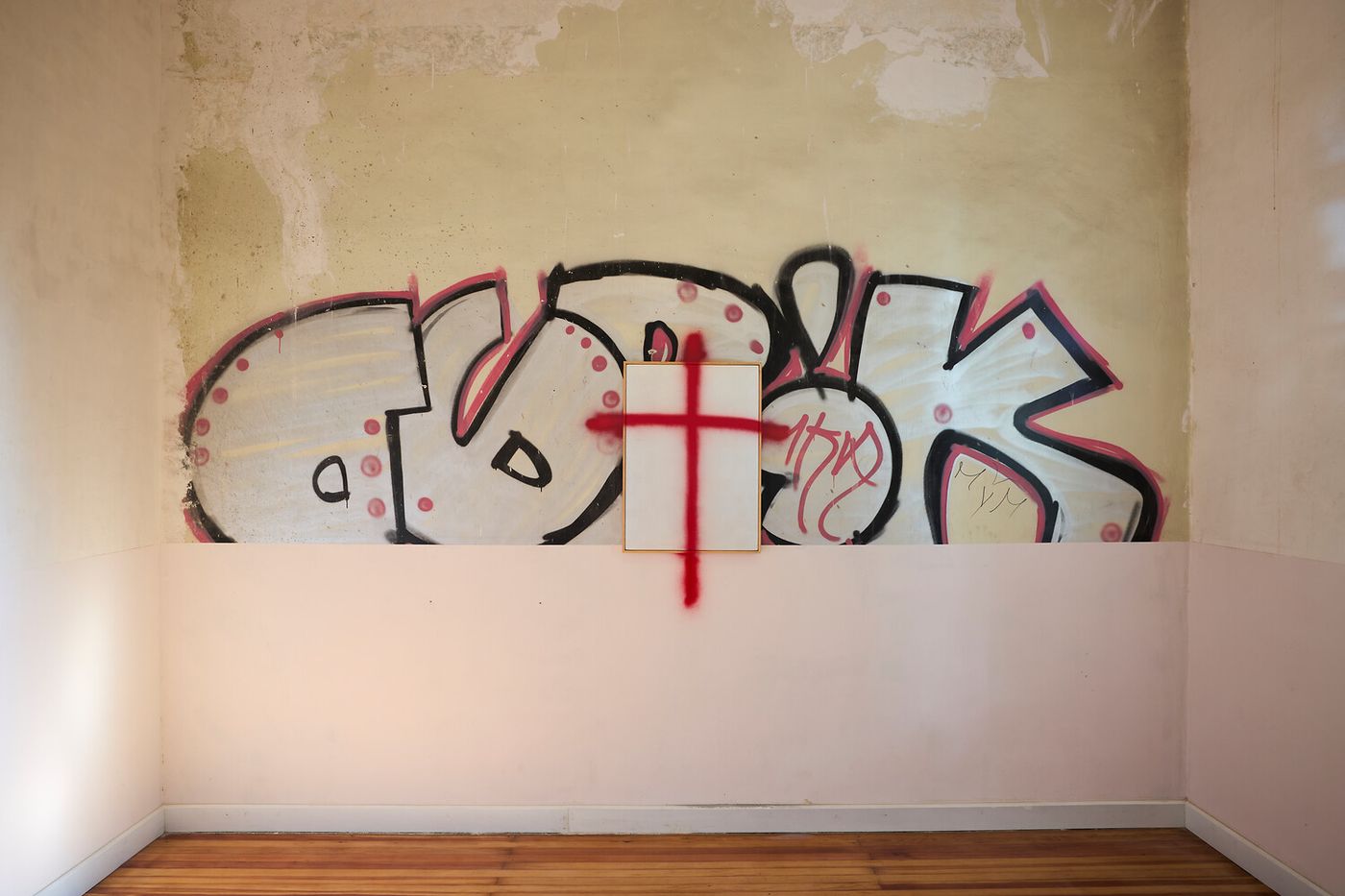
How do you ensure that the artists you work with align with your gallery's identity?
As a gallerist, a passion for one’s artistic practice is a must, but a mutual understanding and friendship are equally important. The gallery’s identity is ultimately dictated by its artists, not the other way around.Gathering is part of the Gallery Climate Coalition, as well as The Anti-Slavery Collective and Embode. Can you tell us more about the inclusion of activism within the art market?
There has been a shift, especially amongst the young galleries, to really come together, support each other and stand for the ideas we share.Can you tell us about the concept and vision behind the GLASSHOUSE project space?
GLASSHOUSE was started in mid-2023 as a satellite project space housed within Gathering’s main London location. While Gathering’s programme is dedicated to more mid-career and established artists, GLASSHOUSE fosters a platform for recent art graduates or young artists who have not previously shown in London.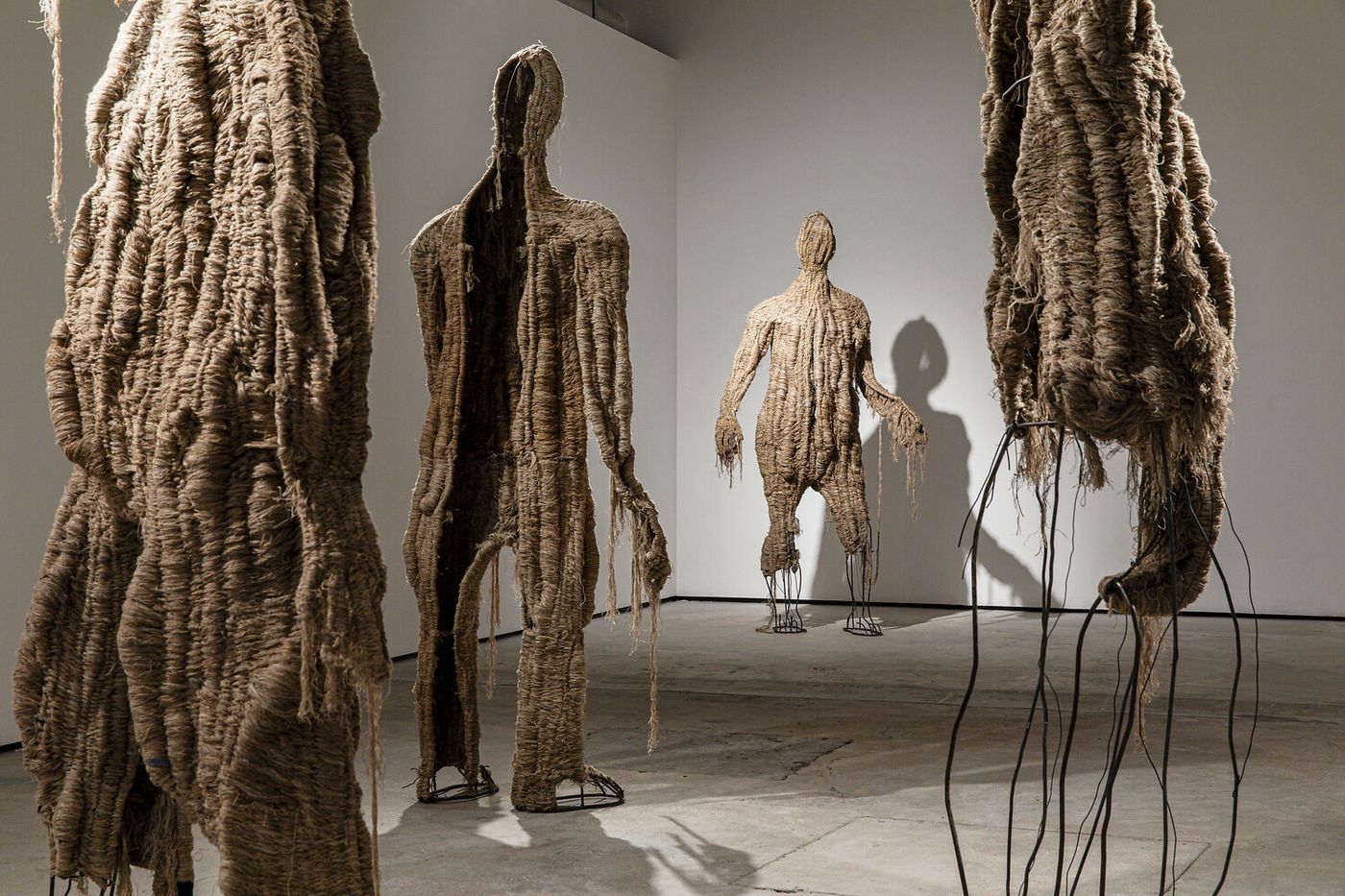
You have been part of the newcomer galleries at Art Cologne last year, and now you are a new position at Art Düsseldorf. What interests you within the art landscape within the Rhine Land?
The collectors in the Rhine Land are amongst most educated and interested art enthusiasts I have met.What is your concept for this year’s Art Düsseldorf? How do you prepare for the fair?
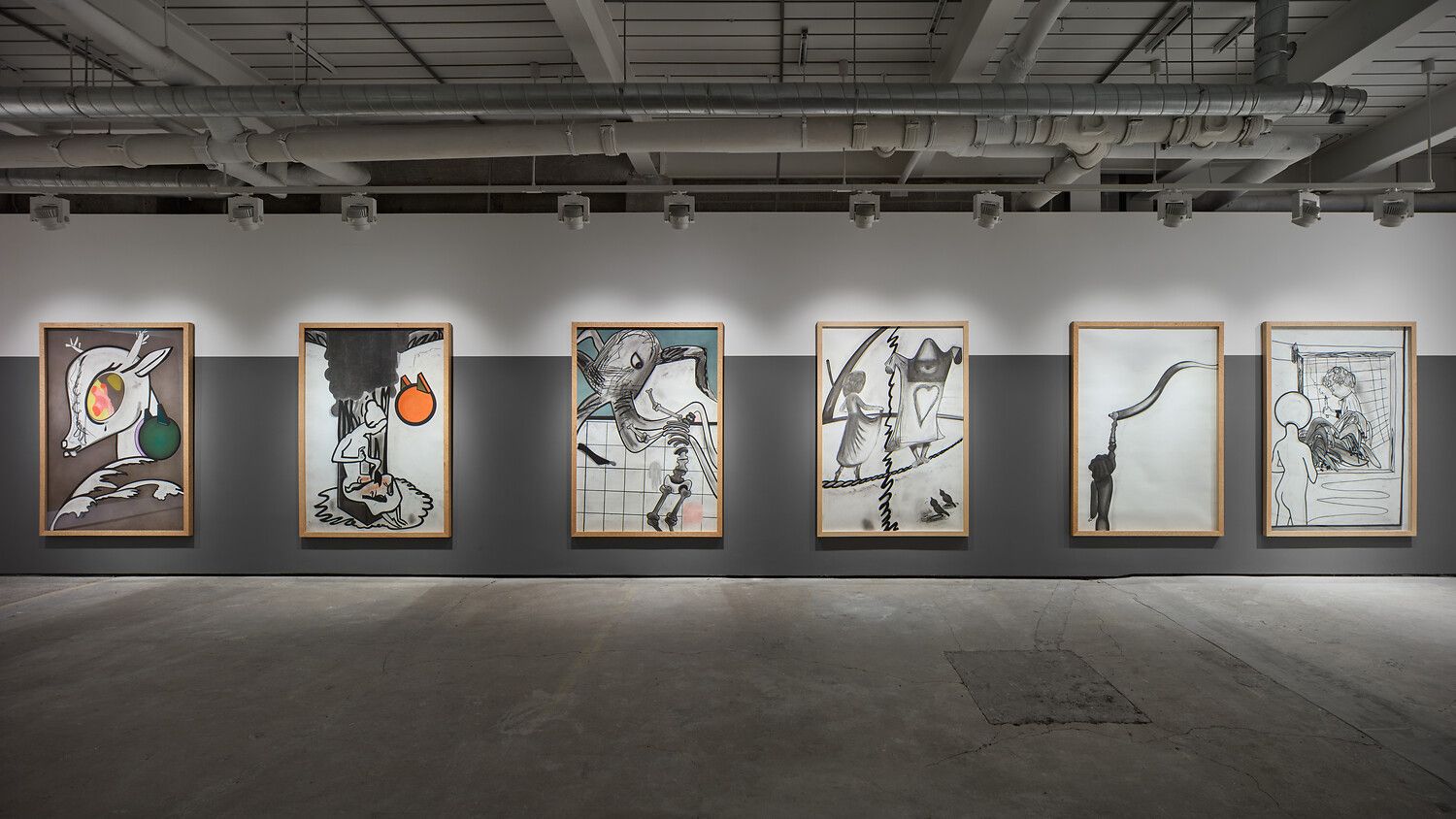
We will be showcasing a selection of works Stefan Brüggemann, Soojin Kang, Tamara K.E., Sybilel Ruppert and Ada You. Soojin Kang and Tamara K.E. are both based in Germany and at the moment we are showing Sibylle Ruppert at the gallery’s new outpost in Cologne - her works have not been shown in Cologne since 1971, so it is a true honour to exhibit her works again in the Rhine Land.