Art · April 3, 2025
"We must stand up for the freedom of art" - In Conversation with Prof Dr Susanne Gaensheimer
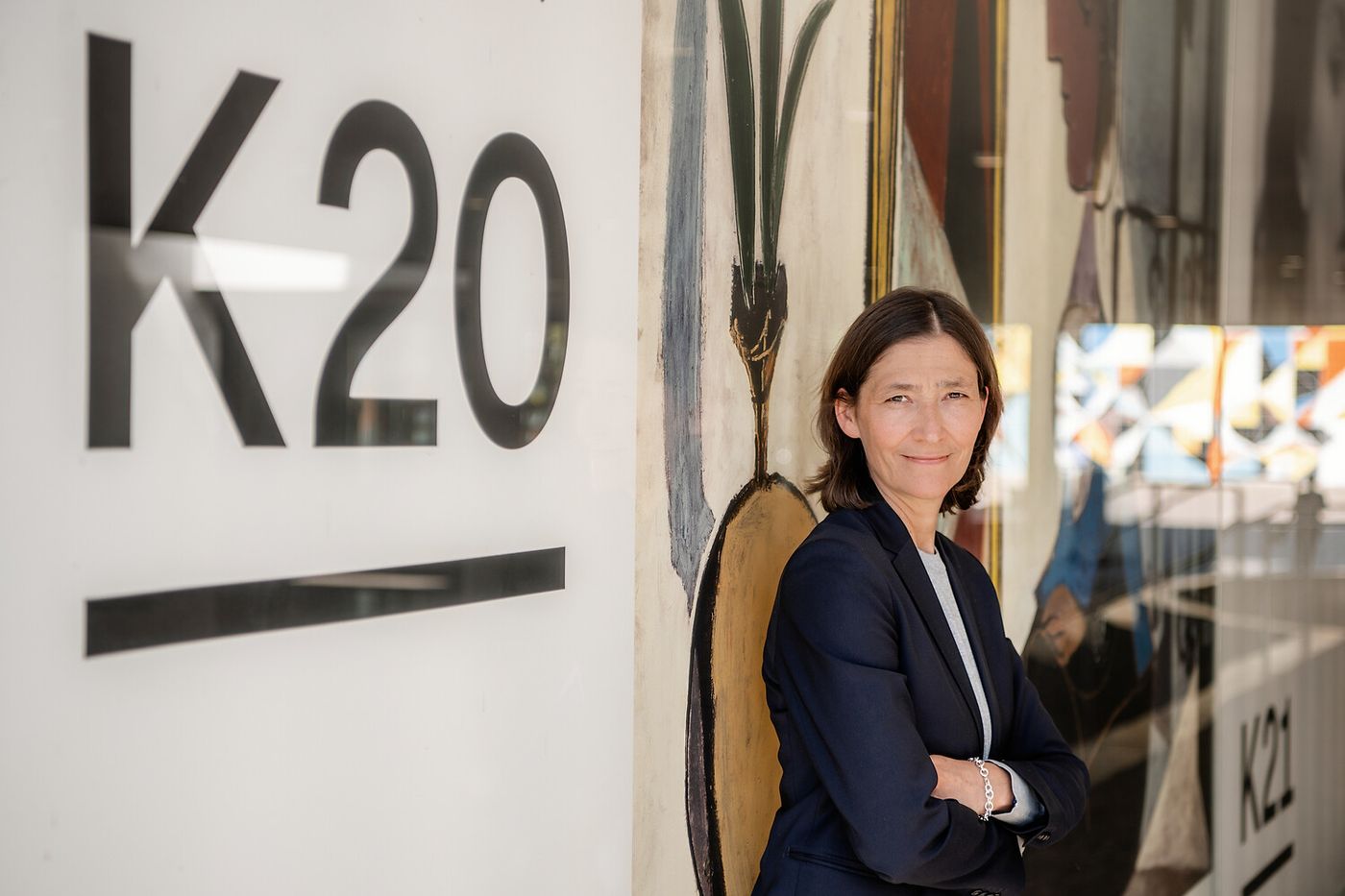
Auf Deutsch lesenProf Dr Susanne Gaensheimer has been Director of the Kunstsammlung Nordrhein-Westfalen since 2017 and has since had a major impact on the Düsseldorf art scape. During this time, she has introduced the city to new positions and perspectives from a more international and diverse range of artists.
In our latest interview with the director, she explains the development and significance of the most recent exhibitions at K20 and K21 and discusses the challenges cultural institutions have faced recently.
The K20 is currently showing a monographic exhibition of Marc Chagall in cooperation with the Albertina in Vienna. What is the focus of this exhibition on Chagall's life's work?
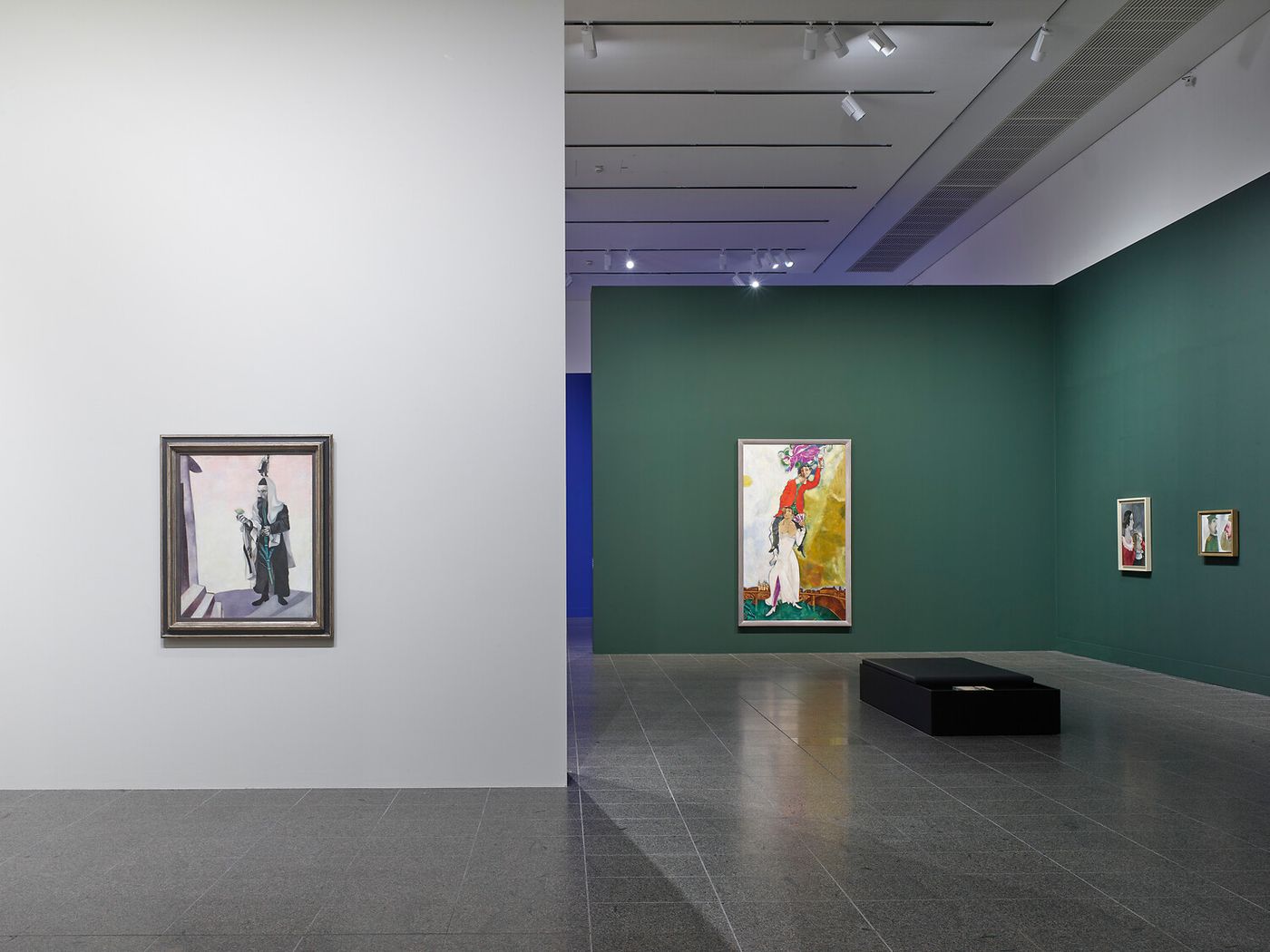
The exhibition shows around 120 works from all of Chagall's creative phases. One focus is on the early works, which were created between 1910 and 1923 and present the socially critical and sometimes dark side of his work. This exhibition is epoch-making in its scope because we are able to show Chagall's most important key works here in Düsseldorf thanks to international loans from MoMA, the Tate and the Centre Pompidou, for example.How did this cooperation and the decision to exhibit Marc Chagall come about?
The starting point and occasion for the exhibition are three paintings by Marc Chagall, which were created in Paris before the First World War and are in the possession of the Kunstsammlung. The works in question are Self-Portrait, 1909, The Violin Player, 1911-1914, and Rabbi with Lemon (Feast Day), 1914; all three paintings can be counted among the artist's early major works. The Albertina approached us because it wanted to borrow the works for its Chagall exhibition in Vienna. This led to the idea of a joint exhibition.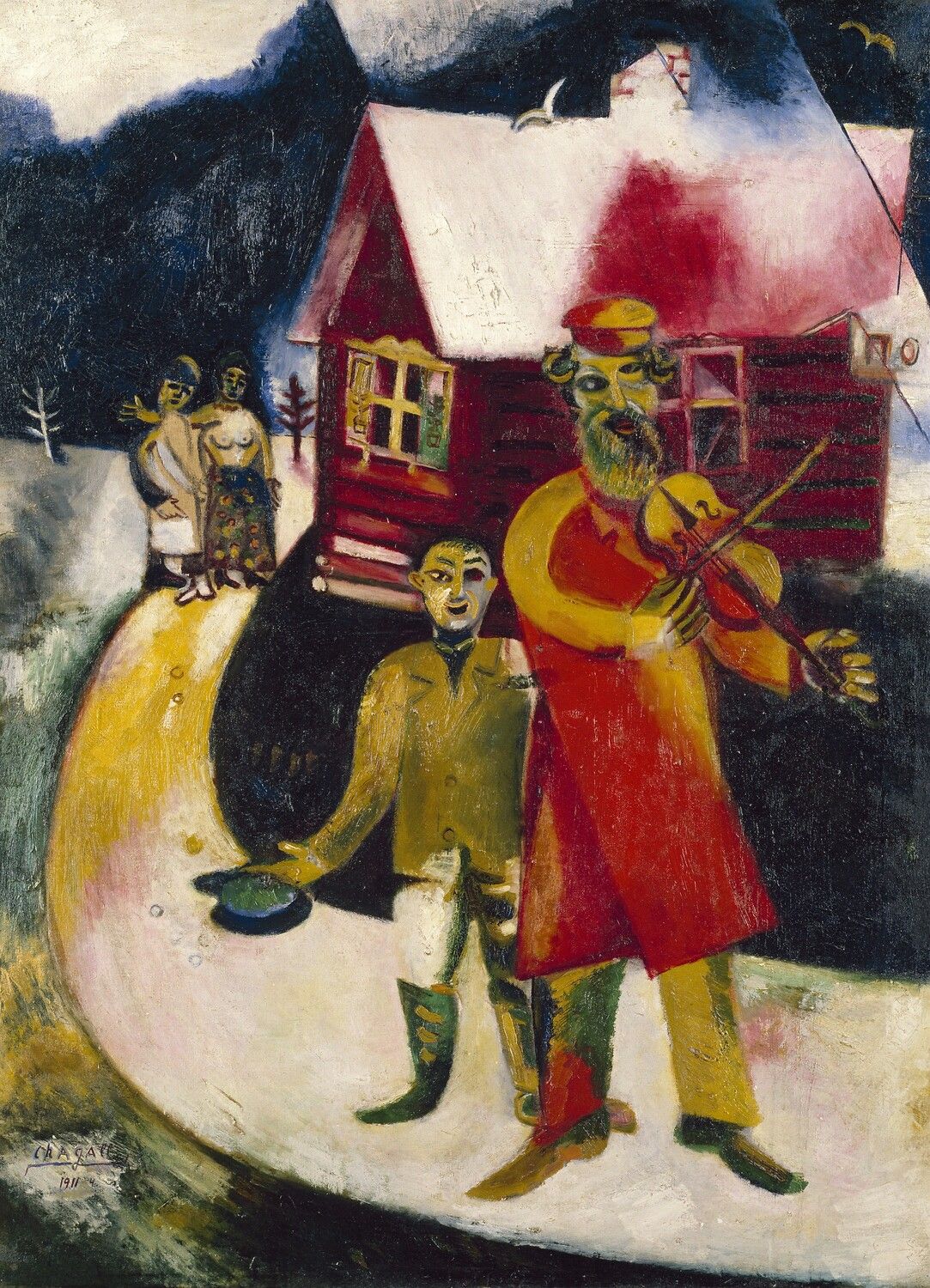
The exhibition Bracha Lichtenberg Ettinger (BRACHA) can be seen in parallel at K21 until August 31, 2025. As the first German institution to provide an overview of BRACHA's artworks, why are her works particularly significant? How do her works reflect today's social discourse?
The exhibition is particularly significant for us because it is the first time that the work of the Tel Aviv-born painter, psychoanalyst, philosopher and peace activist is being presented in Germany. In her oil paintings, BRACHA combines psychoanalysis and painting, a feminist rethinking of identity and gender relations, radical vulnerability and the hope for a peaceful way of dealing with conflicts and inherited traumas.The Julie Mehretu exhibition opens at K21 on May 10th. Julie Mehretu often refers to political conflicts and social upheavals in her art. How does she succeed in translating these complex themes into abstract visual worlds? And what makes the physical presence of her works in the exhibition space so special?
Julie Mehretu is now a superstar in contemporary art. Last year, she designed the BMW Art Car with great success. The exhibition at K21 will show the development of her work from its beginnings to the present day. Influenced by her own experience of migration, Mehretu has always dealt with the upheavals and contradictions of history in her art. As a Black queer painter in a rapidly changing, increasingly globalized world, her paintings are always concerned with reflecting her own position in space, time and political context. This becomes very clear in her large-format paintings, some of which will hang in the space in multiple perspectives.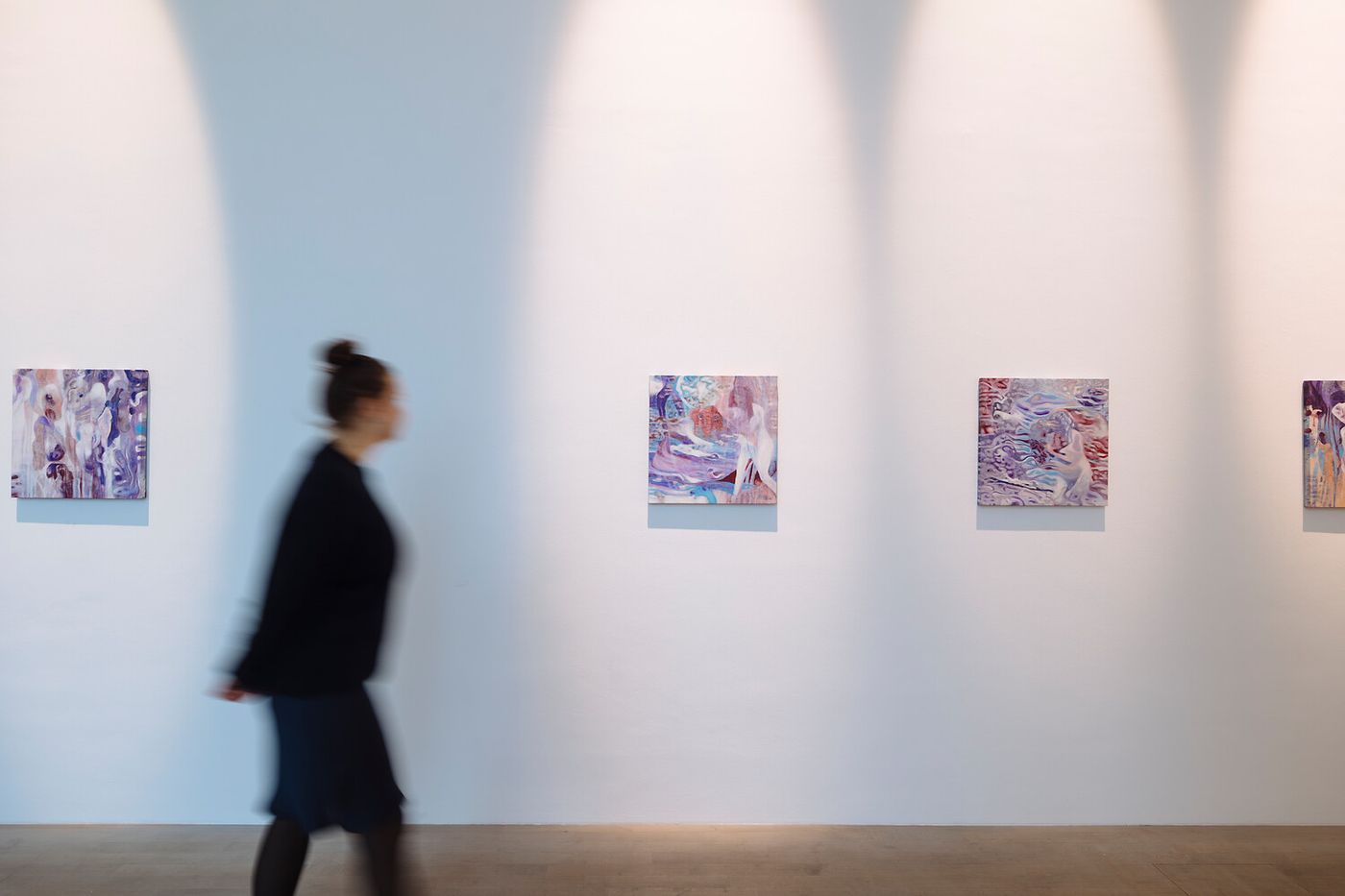
The Kunstsammlung Nordrhein-Westfalen recently acquired a large sculpture by Louise Bourgeois. What can we learn about this newly acquired sculpture? How will the sculpture be integrated into the existing collection?
I took over as director of the Kunstsammlung in 2017 with the vision of further developing the modern art collection and closing gaps through targeted acquisitions. Above all, this includes increasing the proportion of works by important female modern artists in the collection. Louise Bourgeois is one of the most influential artists of the 20th century, whose installations, sculptures and textile works had a significant impact on modern art. The fact that we have now been able to acquire one of her most important works, the early marble sculpture Baroque (1970), for the museum is one of the highlights of my work with the collection in recent years.