Collecting · September 4, 2026
Collecting Means Accompanying: Johanna and Friedrich Gräfling on Salon Kennedy and the Depth of Their Collection
JOHANNA AND FRIEDRICH GRÄFLING ON COLLECTING IN DEPTH
Auf Deutsch lesenWhat drives people to collect art? And which paths lead them there?
In our series “Collectors in Conversation”, art collectors offer insights into the personal stories behind their collections. What sparked their interest in art? Which works have accompanied them over the years? And how do artists, social developments, and individual life paths shape the way they look at art and collecting?
In this edition, we speak with Johanna and Friedrich Gräfling. The collector couple moves between collecting, producing, and enabling: with Salon Kennedy in Frankfurt and the Kunstverein Wiesen, the two have created places where art, conversation, and collaboration intertwine. Their collection grows not through the purchase of individual works, but out of long-standing relationships with artists.
How did you come to collecting, and to collecting together – what was the trigger?
Friedrich found his way to art as a teenager through street art itself. Out of that grew the desire to capture and hold on to moments and time – and for him, the logical way to do so was in the form of an artwork that reflects exactly that time. That is how he came to his first work, which he bought from a street and graffiti artist friend – essentially laying the foundation for his passion for collecting.
Through his architecture studies in London, he then came more and more into contact with the art scene there – with galleries, off-spaces, and again and again with artists’ studios. It was the direct exchange with artists that fascinated him most, and so he began contacting them to ask whether he could work with them or organize something for them, because he could not afford the works. He first helped out in studios, later organized exhibitions and transports, and eventually also designed spaces for artists.
Little by little, the first works entered the collection. Soon we began inviting artists together, exhibiting in our apartment, organizing dinners, and bringing people together through art – and so the collection evolved organically and laid the foundation for what is now Salon Kennedy.
You act not only as classic collectors, but in a role between collecting, producing, and enabling. How would you describe to our readers what you do?
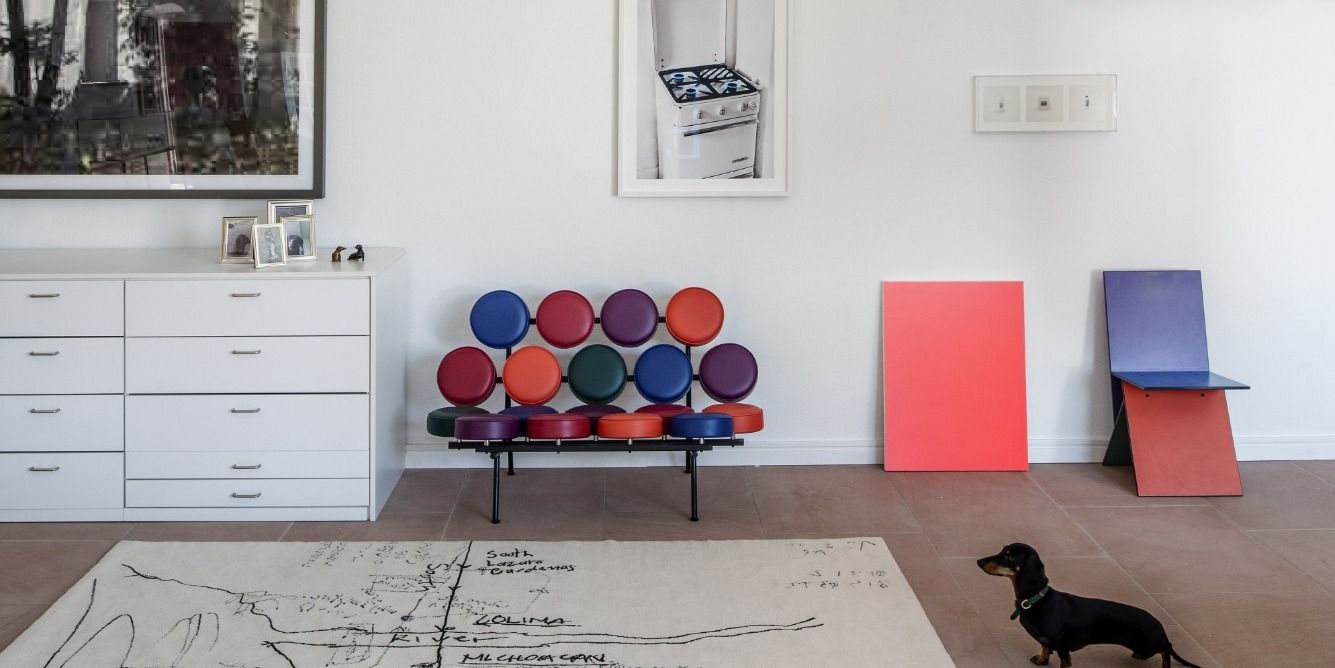
We do not see ourselves primarily as buyers of individual works, but try to build a relationship with an artistic position as a whole. We are less interested in the isolated object than in the work in context – that is, the thinking, the development, the questions of a practice – the research.
How do you choose which work becomes part of the collection? How do you coordinate – is there something like a right of veto?
It is always a joint decision, often with long discussions. For us, it is never about the individual work, but about the artist’s work – the entire oeuvre. We often observe positions over many years, read interviews, visit as many exhibitions as possible, and try to truly understand an artistic practice before we acquire anything. As soon as a work becomes part of the collection, a connection is formed that obliges us to go into depth. Of some artists we own works from almost every year, because we are interested in the development within the work.
Are there reasons why you consciously decide against a work – even though you value the artistic position?
Of course there are always certain parameters – price plays a role, as do practical questions such as complexity or logistics.
Over time, however, the perspective shifts. Since the collection left our own four walls, we have become considerably freer. Earlier limits such as size, room installations, or media are less decisive today.
In the end, however, it always remains a decision within the context of an artist’s work. You cannot collect everything. That is why we try to select works that are particularly relevant within the development of an oeuvre.
What would you say is the unmistakable signature of your collection – in one sentence?
Our collection lives from depth – from the long-term accompanying and understanding of artistic positions and the personal relationship with the work and its practice.
What role does art play in your everyday life – and how does it change the way you look at your own living space?
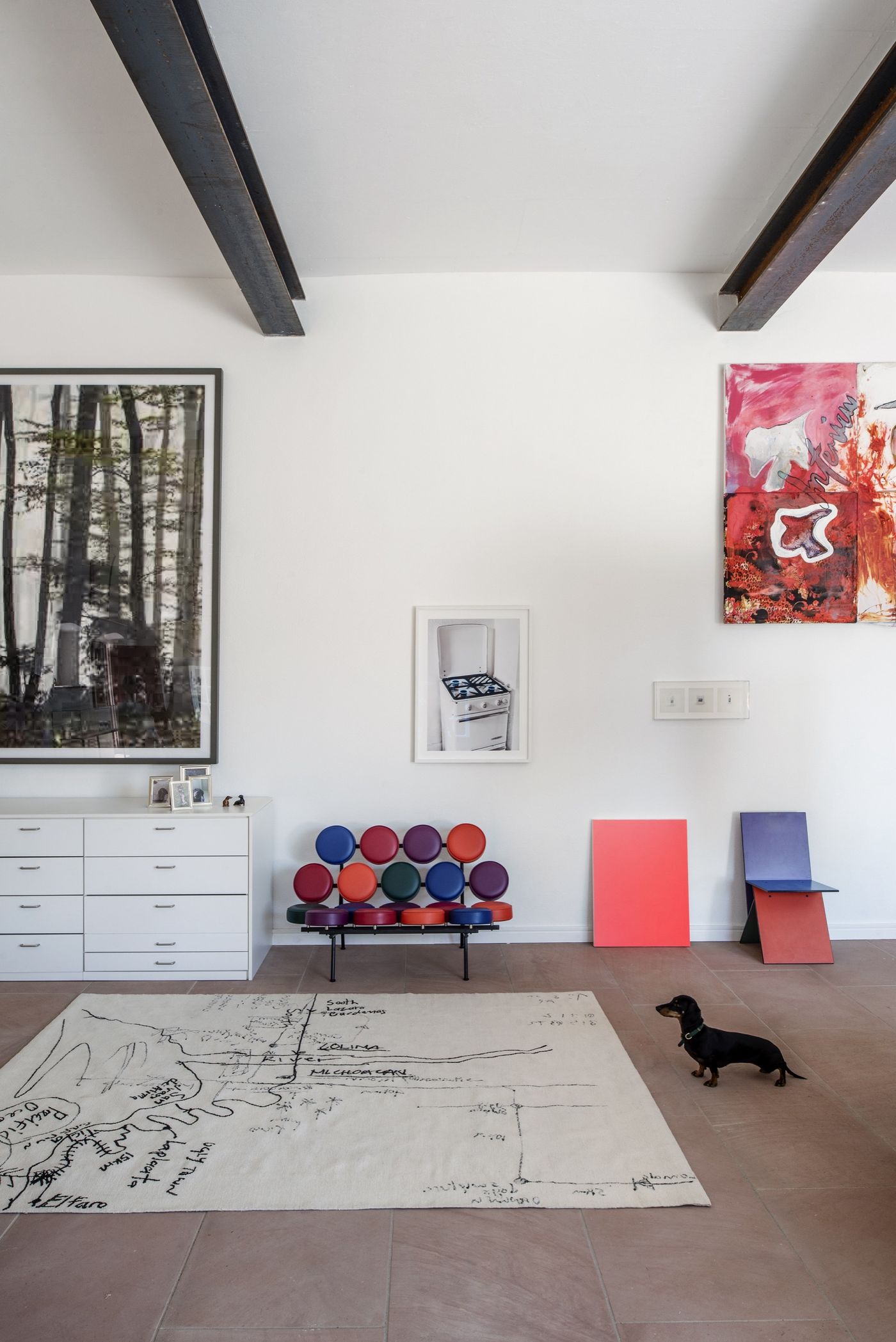
For us, art is not an add-on, but part of our life. We do not feel we have to distinguish between art and everyday life. It shapes our spaces, our gaze, our conversations – and it is always there, whether we are working, playing with the children, or having dinner.
How does a work change when it becomes a permanent part of a living space? And where, for you, is the difference between integration and staging?
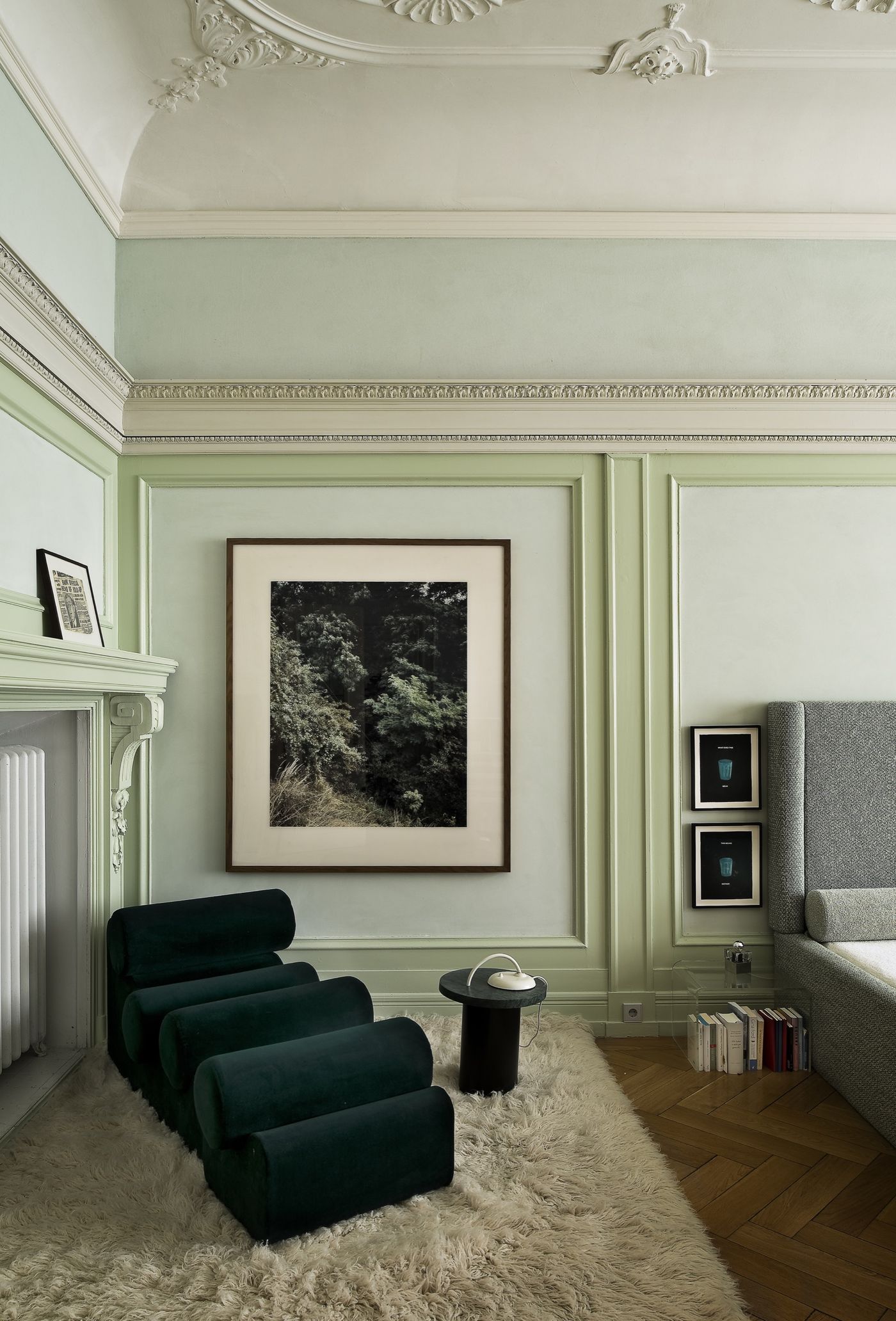
A work that becomes a permanent part of a living space loses a certain museum-like distance. It becomes part of everyday life – also with our children – and accompanies routines and conversations.
Integration, for us, means that a work is naturally present without losing its autonomy. Staging in the sense of set design does not really exist in our home.
What matters to you in encounters with artists? Do studio visits or personal contacts play a big role?
Absolutely. The encounter with artists is the beginning of everything. For us, studio visits are not a ritual, but a form of understanding. Through direct exchange, trust, ideas, and sometimes joint productions emerge. Many works in our collection are the results of this intensive collaboration.
When does the impulse arise for you not just to acquire, but to actively support a production?
It is rarely a conscious decision.
It emerges rather from the continuous dialogue with artists whom we accompany over a longer period of time. In this exchange, situations arise quite naturally in which a production comes about – for instance in the context of an exhibition, a project, or an idea that develops in conversation.
Production, for us, is therefore usually an extension of the collaboration.
What can you achieve for art with your work that classic collectors, galleries, or institutions structurally cannot?
One has to distinguish between different levels here: the collection, the Salon, and our other projects, for instance at the Kunstverein.
As collectors, we can often react earlier than institutions and accompany artists at a stage when larger houses are not yet active. This naturally happens on a different scale, but with a similar commitment to long-term support.
You are active in different locations. What role do space and architecture play for your collection?
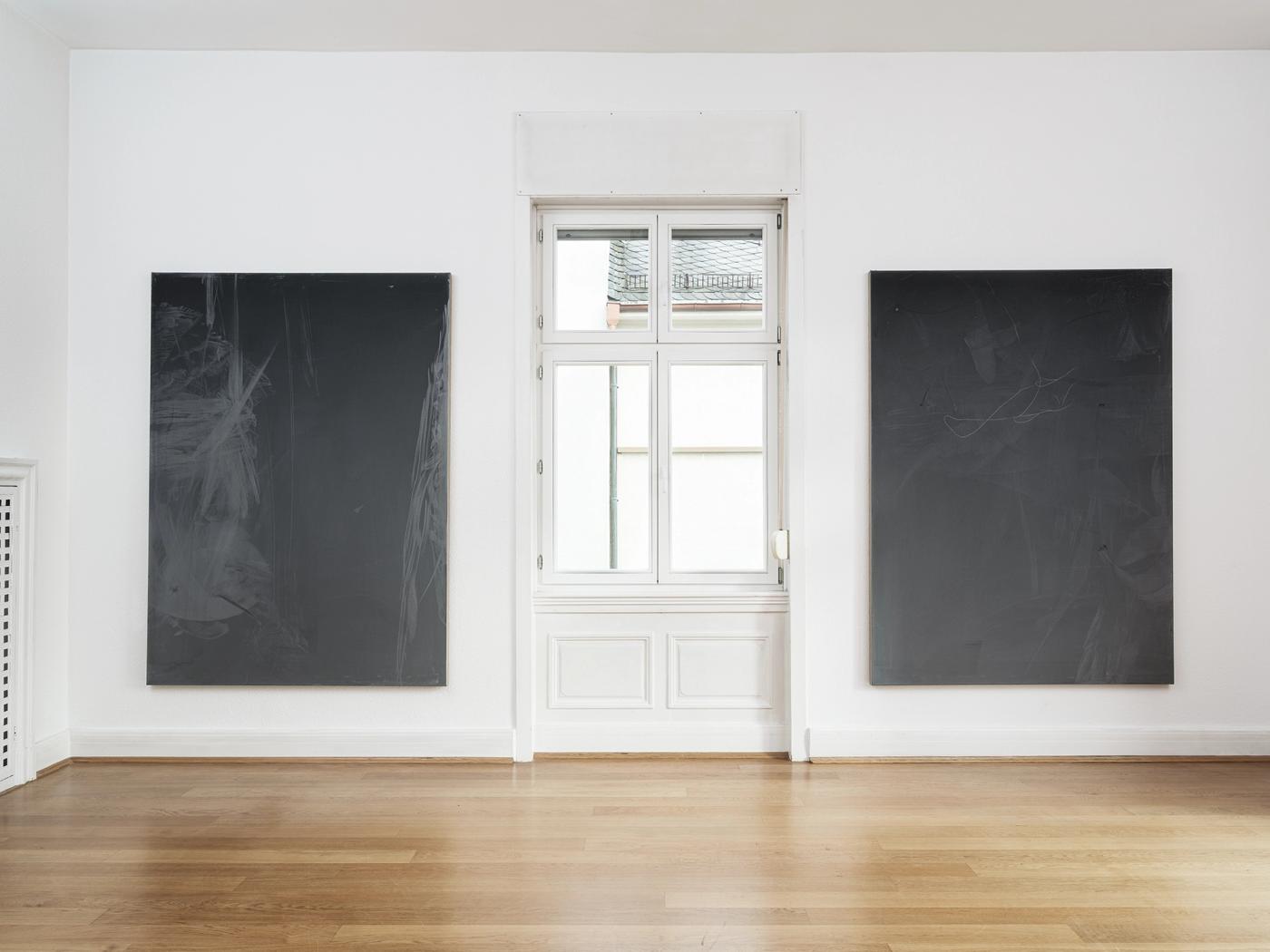
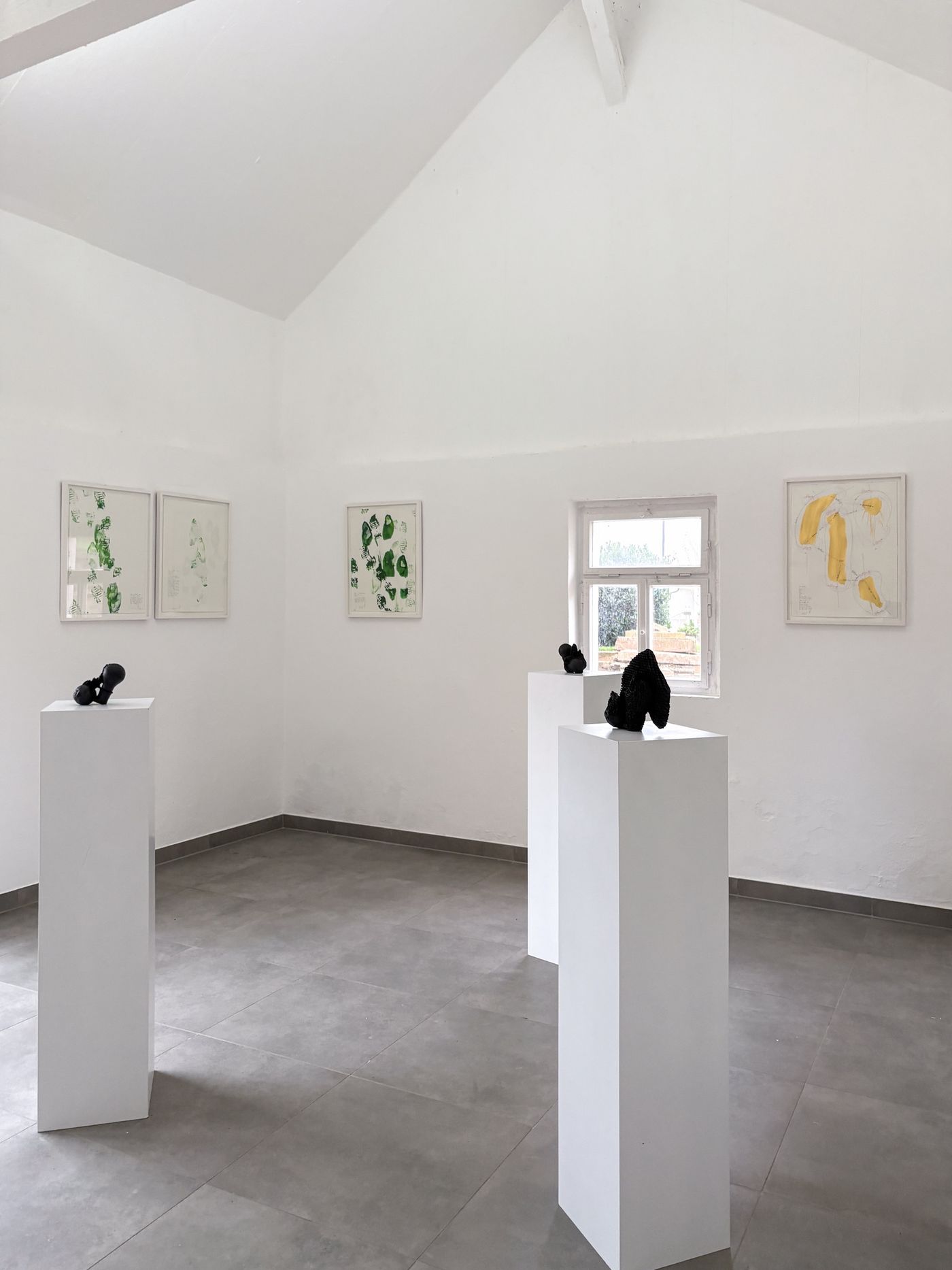
In Frankfurt, with Salon Kennedy, we have created a place where art and conversation merge. Here we invite artists, give them carte blanche, and design creative dinners and events to create an intensive form of mediation that can excite new people about art. In Wiesen, this understanding is even more decelerated. There we founded the Kunstverein, activate vacant spaces, develop sculptures in public space, and often work with artists on new productions over the course of weeks. For us, spaces always stand in relation to art – never separate from it.
How important is it to you that your collection is visible or accessible?
For us, visibility arises through encounter and exchange. We do not show the collection in the classic sense, but cooperate with museums, organize exhibitions, and keep placing works in new contexts. This visibility is important to us – it opens up new perspectives on art and on the topics that move us. And of course it is also nice for the artists to know that their works do not disappear into storage, but remain there for people to experience.
Looking back: are there decisions you would make differently today? And is there an attitude or inner logic that, in retrospect, runs through your collection?
A collection always emerges from life situations as well. When we look back on the early years today, we recognize in them very clearly the respective phases of our lives.
We do not see this development as a rupture, however, but as part of the history of the collection.
Similar shifts can also be observed with the Salon or with our art projects not related to the collection. In the early years, the Salon had something very student-like about it – both in its programming and in its context. Today, much is more decelerated and more attuned to our current life situation.
Are there works that hold a special emotional significance for you? And what have you learned about yourselves through collecting over time?
Many works accompany us biographically and are connected to places, people, or phases of our lives. Especially joint productions such as Tränen by Michael Sailstorfer have in a way become part of our history. But also many personal moments: our wedding with contributions by Yves Scherer, Christian Jankowski, and Grace Weaver, christenings or birthdays that were accompanied artistically. Alicja Kwade designed Johanna’s engagement ring.
Through collecting, we have learned that art does not merely depict memories, but shapes them.
How do you define success in relation to your collection? What role do market mechanisms play?
We do not define success through increases in value, but through the development of an artistic position and the possibility of accompanying it over a long period of time.
Market mechanisms are naturally part of the system, but they are not the measure of our decisions.
What do you expect today from professional gallery work? And where do you see deficits in the current art system?
Galleries always move within a field of tension between the market and artistic development. For us, it is decisive that the market does not become the sole focus.
We expect long-term support of artists and a substantive engagement with the work.
At the same time, we sometimes see a structural problem in the fact that works are often only available in the context of individual exhibitions or fair presentations. For collectors who are interested in an artistic position as a whole, more open access to the entire practice would be helpful – both in terms of content and with regard to the works themselves.
Perhaps the system would have to develop more strongly toward a more global pool of works, steered more by the artist, while galleries increasingly act as mediating platforms.
What are you planning next – are there upcoming projects, exhibitions, or developments of your collection that you are particularly looking forward to?
At Salon Kennedy, we are currently showing “Who’s afraid of conceptual art?” by Christian Jankowski. In parallel, “In Depends” by Mike Bouchet is on view at Kunstverein Wiesen until October 3 – an exhibition spread across three buildings in the village: the former bank, the castle and a barn.
How do you envision the future of your collection – what should it look like in ten or twenty years?
We are great advocates of Heiner Friedrich’s idea: one artist, one room. In this idea, we also see the future of our collection. We want to show the artistic positions that we accompany in such depth as solitary presentations and thereby make them tangible in a concentrated way. For us, it is about creating spaces in which an artist’s work can speak entirely for itself.
We dream a little of one day being able to see some of the positions we have accompanied over the years brought together. Be it in an institutional framework or through our own initiatives.
What three pieces of advice would you give young collectors who are just starting out?
See as much art as possible.
Engage intensively with the work that touches you – read, research, understand.
And then have the courage to actually buy. It is not a question of budget, but of priorities.
Current Exhibitions
Salon KennedyKennedyallee 100, 60596 Frankfurt am Main, Germany“Who’s afraid of conceptual art?” by Christian Jankowski ↗through October 30, 2026
Kunstverein WiesenHauptstraße 42, 63831 Wiesen, Germany“In Depends” by Mike Bouchet ↗through October 3, 2026
Cover image: Johanna and Friedrich Gräfling at their table “Kante” from Gräfling Editions, in the background Gregor Hildebrandt © Kozy studio